
Anti-Wrinkle ODM: Plant Retinol, Collagen and Other Hot Actives
Published 2026-10-21 17:25:55
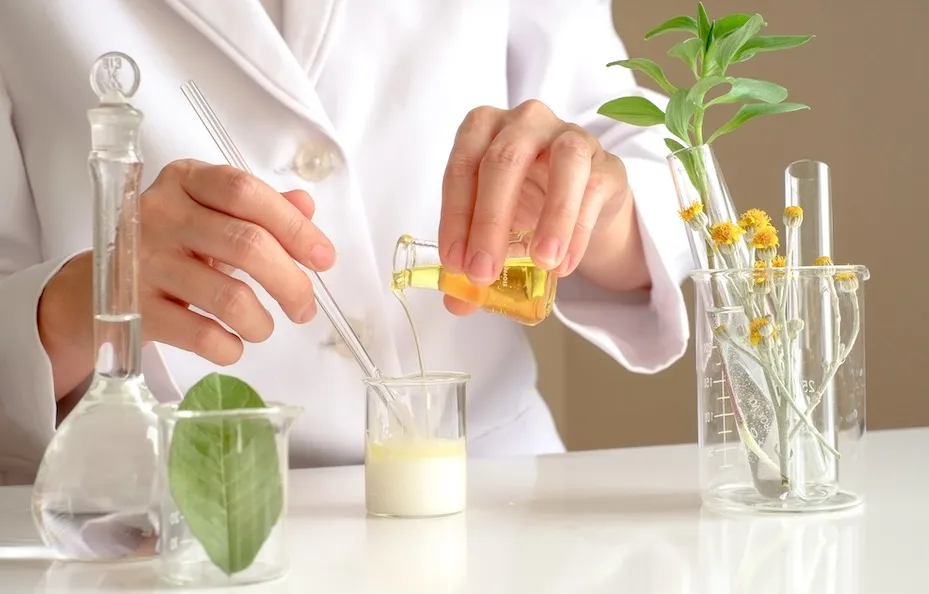
Demand for anti-wrinkle skincare manufacturing has clearly risen over the past two years, with a growing number of emerging brands and private-domain teams looking for anti-wrinkle solutions they can actually deliver. But anti-wrinkle is not a matter of adding one ingredient. It involves mechanism selection, raw material compatibility, dosage form fit and safety control. This development guide covers the most sought-after anti-wrinkle ingredients, the product formats they suit, and the key points in contract manufacturing R&D, for brand and R&D leads alike.
Why the Anti-Wrinkle Category Deserves Investment
Anti-wrinkle has never been exclusive to mature skin. Consumers over 25 now broadly adopt early-retinoid and preventive anti-ageing routines, and even users in their twenties pay up for fine-line softening and firming. For brands, anti-wrinkle products carry both higher average order values and higher repeat purchase than basic moisturisers, making them a strong entry point for building an efficacy reputation. This is also why anti-wrinkle skincare manufacturing has shifted from something a factory can do to something it must do well — raw material stability, irritation control and efficacy evidence are the points clients keep probing.
What Anti-Wrinkle Actually Targets: Three Mechanisms
Before choosing ingredients, you need to know where wrinkles come from. Most facial fine lines and laxity fall into three pathways, and formulas address them in combination.
1. Stimulating Collagen Production
Loss of collagen and elastin in the dermis is the root cause of collapsing wrinkles. Retinoids, peptides and proxemol all modulate collagen synthesis signals to varying degrees. Proxemol, for example, builds up the dermal sponge layer by promoting glycosaminoglycan generation, while peptides act as signal carriers reminding the skin to rebuild collagen.
2. Anti-Glycation
When sugars bind to collagen they form AGEs (advanced glycation end products), which yellow the skin, stiffen it and drain elasticity. Formulas with carnosine, anserine and certain polyphenols help intercept this step, suited to topical extensions of the anti-glycation concept.
3. Antioxidant Support
Free radicals from UV exposure and pollution accelerate collagen degradation. Antioxidant ingredients such as vitamin C, vitamin E, ergothioneine and resveratrol often serve as the shield in an anti-wrinkle system, working alongside the primary actives — both preventing and repairing.
Five Popular Anti-Wrinkle Ingredients and Development Notes
Bakuchiol: The New Favourite for Gentle Anti-Wrinkle
Bakuchiol is called the botanical retinoid because it activates retinoic acid receptor pathways at the cellular level similar to retinol, but with notably lower irritation and better light stability — which makes it relatively friendly to pregnancy and sensitive skin. In contract development, common concentrations run 0.5%–2%, and it can be buffered with ceramides for soothing. Blended with niacinamide and panthenol, it covers both fine lines and barrier support, which makes it a popular choice for products positioned around gentle anti-ageing.
Recombinant Collagen: The Representative of Direct-Replenishment Thinking
Recombinant collagen is produced by genetic engineering, with a controllable sequence and low sensitisation risk, and has risen sharply in recent years across both repair and anti-wrinkle categories. It leans toward supporting hydration at the epidermal level and firmness in the dermis, working alongside retinoids and peptides. Serums, single-dose ampoules and masks are all suitable carriers; keep it away from strongly acidic raw materials to preserve activity.
Peptides: Multi-Functional and Forgiving Signal Ingredients
Acetyl hexapeptide-8 targets the relaxation of expression lines, while palmitoyl tripeptide and pentapeptides focus on collagen synthesis. Peptides tolerate a wide range of partners and are rarely irritating, which makes them a mainstay for eye creams and neck creams. During development, note their sensitivity to temperature and metal ions — add at low temperature and protect from light.
Retinoid Derivatives: Established, but Stability Is the Challenge
Retinol, retinyl palmitate and HPR (hydroxypinacolone retinoate) all have solid efficacy evidence, but stability is the difficulty. HPR acts without conversion and offers more controllable irritation, which has made it more acceptable to manufacturers in recent years. Encapsulation technology and light-protective formulations are the key, and microencapsulation significantly reduces inactivation and stinging.
Proxemol: The Classic Firming Ingredient
Hydroxypropyl tetrahydropyrantriol (proxemol) focuses on improving dermal density and elasticity, slides well into formulas and is compatible across systems, which makes it a regular in premium creams. Effective concentrations are mostly above 3%, and layering it with peptide and collagen products builds a firming selling point. Solubility needs to be good in aqueous systems, and viscosity behaviour should be a focus during sampling.
From Ingredient to Product: Serums, Creams and Eye Creams
The same anti-wrinkle logic plays out differently across dosage forms. Serums prioritise high concentration and easy absorption, suiting botanical retinoid, peptide or proxemol serums and single-dose ampoules. Creams emphasise nourishment and lasting effect, combining recombinant collagen, proxemol and an oil system for overnight anti-wrinkle creams. Eye creams need to be gentler and use lower-molecular-weight ingredients, where peptides and bakuchiol are a dependable pairing and harsh actives are avoided to reduce the risk of milia and stinging. For more category thinking, see DEVA's existing matrix in the product centre.
Gentle Alternatives: Why Bakuchiol Is More Forgiving
Traditional retinoids lose many sensitive-skin users to peeling and redness. Botanical retinol (bakuchiol) lowers the irritation threshold while keeping fine-line benefits, can be used during the day, needs no strict photoprotection, and is also friendly on the manufacturing side — no complex light-proof line or ultra-low-temperature filling required. For brands building an anti-wrinkle line for the whole family or for pregnancy, without giving up the efficacy narrative, this is a high-value-cost entry point.
Five R&D Points for Anti-Wrinkle Skincare Manufacturing
In actual development, several stages determine whether a product is both safe and effective:
1. Combine mechanisms rather than stacking single actives: collagen stimulation, anti-glycation and antioxidant support working together tell a better story than adding retinoid alone.
2. Active delivery technology: use microencapsulation and targeted transdermal delivery to raise utilisation and reduce irritation.
3. Match dosage form to concentration: low concentration in eye creams, richer nourishment in creams, penetration focus in serums — one formula does not fit all.
4. Keep efficacy evidence on record: human wear trials and third-party test data are what back an anti-wrinkle claim.
5. Compliance and claim boundaries: ordinary cosmetics cannot claim treatment, anti-wrinkle is an efficacy claim, and both the filing and the label must comply.
R&D Credentials: Two Institutes, Two Stations, Three Centres and Ultra-Submicron Homogenisation
The stability of an anti-wrinkle formula depends heavily on process. DEVA INTERNATIONAL has built a "two institutes, two stations, three centres" R&D system — two institutes for Shennongjia natural beauty raw materials and for cosmetics; two stations for postdoctoral research in cosmetics and for the Guangdong science and technology commissioner stations; three centres covering beauty application R&D, process technology research and cosmetics evaluation. Within it, ultra-submicron homogenisation technology, developed in Germany for scaled production, processes actives to sub-micron size and distributes them evenly — critical for raw materials with high dispersion demands such as botanical retinoids, collagen and peptides, improving both skin feel and active stability. For contract manufacturing enquiries, see the OEM/ODM service page for scope.
FAQ
Q1: Can botanical retinol really replace traditional retinol?
For fine lines and firmness, bakuchiol has evidence behind it and is gentler and more stable, which suits sensitive skin and daytime use; for severe photoageing, traditional retinol has stronger evidence. Most brands run both, segmenting the product line by population.
Q2: Do anti-wrinkle products always require human efficacy evaluation?
Anti-wrinkle is a specific claim under the Cosmetics Efficacy Claim Evaluation Standard, and normally requires human efficacy trials or supporting literature. A manufacturer with an in-house evaluation centre can complete part of the validation internally, shortening the time to market.
Q3: Can peptides and proxemol be used together?
Yes. Their mechanisms complement each other and they are compatible, making a common firming plus fine-line softening combination in creams. Just observe the addition temperature and pH range for each.
Q4: What is the typical MOQ for contract manufacturing?
It depends on dosage form and packaging. Standard serums and creams can typically be trial-produced at the thousand-unit level. Sampling in small batches to validate the formula and market response first, then scaling up, is the recommended approach.