
DEVA Wins 2026 JDSCT Innovation Award: Sun-Care Tech at CCISF
Published 2026-10-17 16:29:55 · Tiensi
1. Two Days, One Stage: From the Booth to the Podium
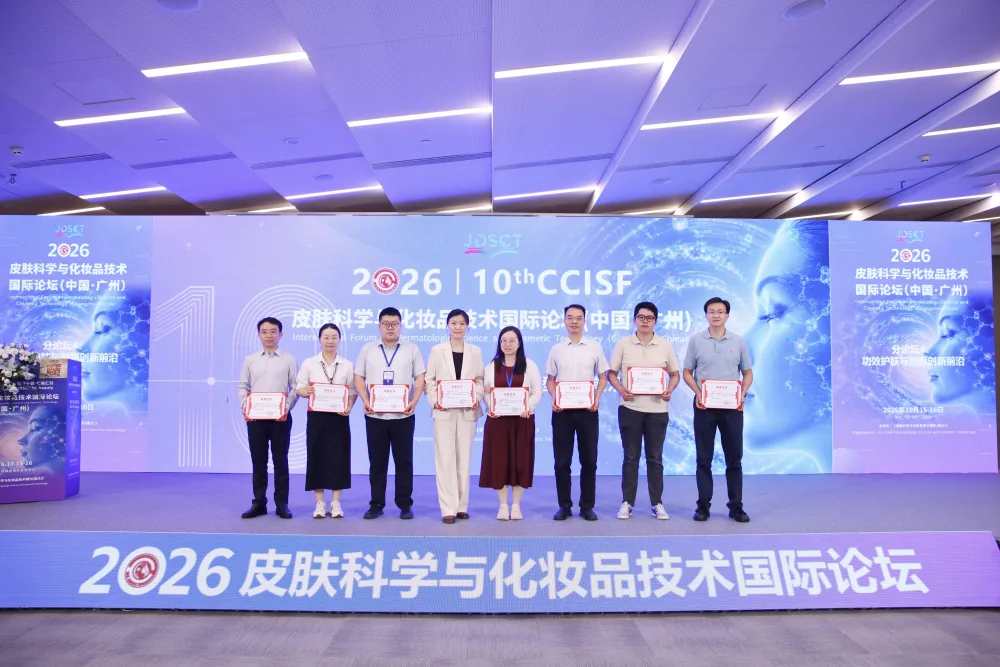
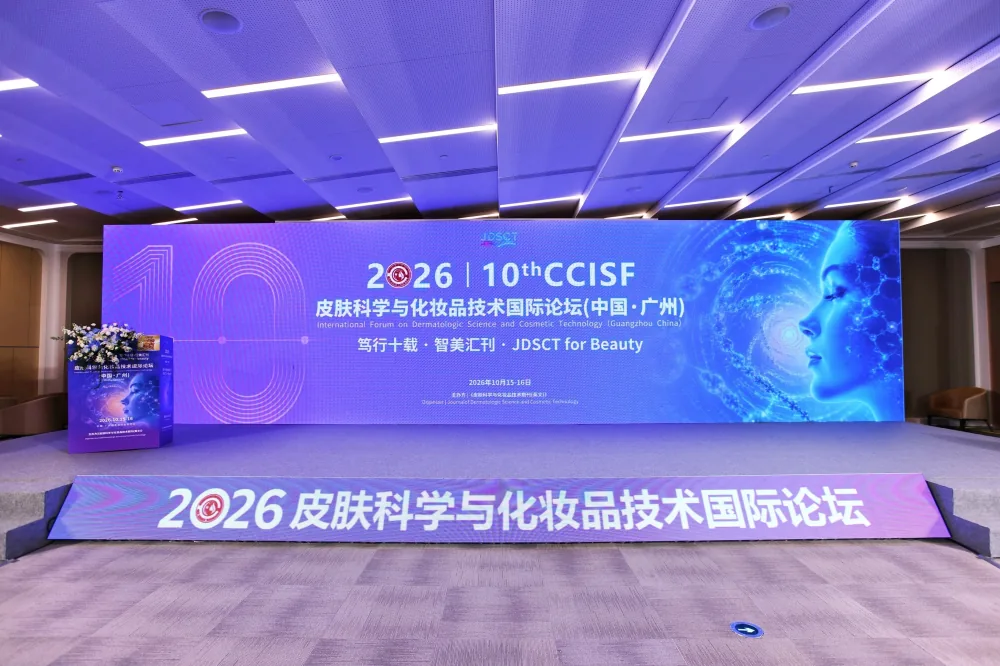
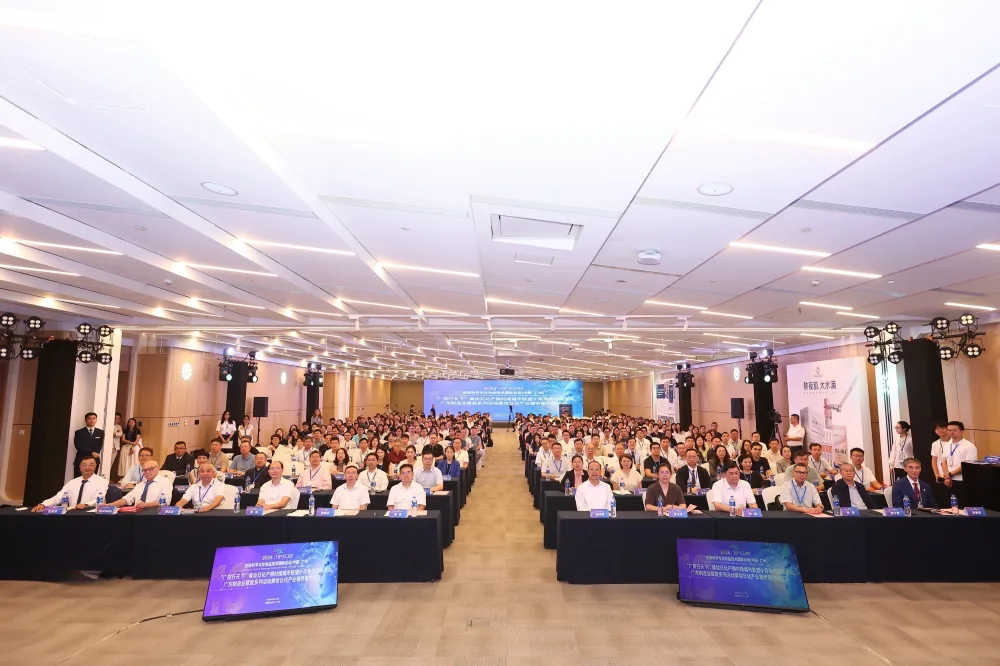
The 10th International Forum on Dermatologic Science and Cosmetic Technology (CCISF) was held on October 15–16, 2026 at the Yuexiu International Convention Center in Guangzhou. The forum coincided with the tenth anniversary of the organizing society and brought together researchers, efficacy evaluation specialists and formulators from across the industry.
Guangzhou DEVA Biotechnology Co., Ltd., a cosmetics manufacturer with two decades of experience, was invited to exhibit and to share its latest thinking on sun-care technology in a dedicated keynote.
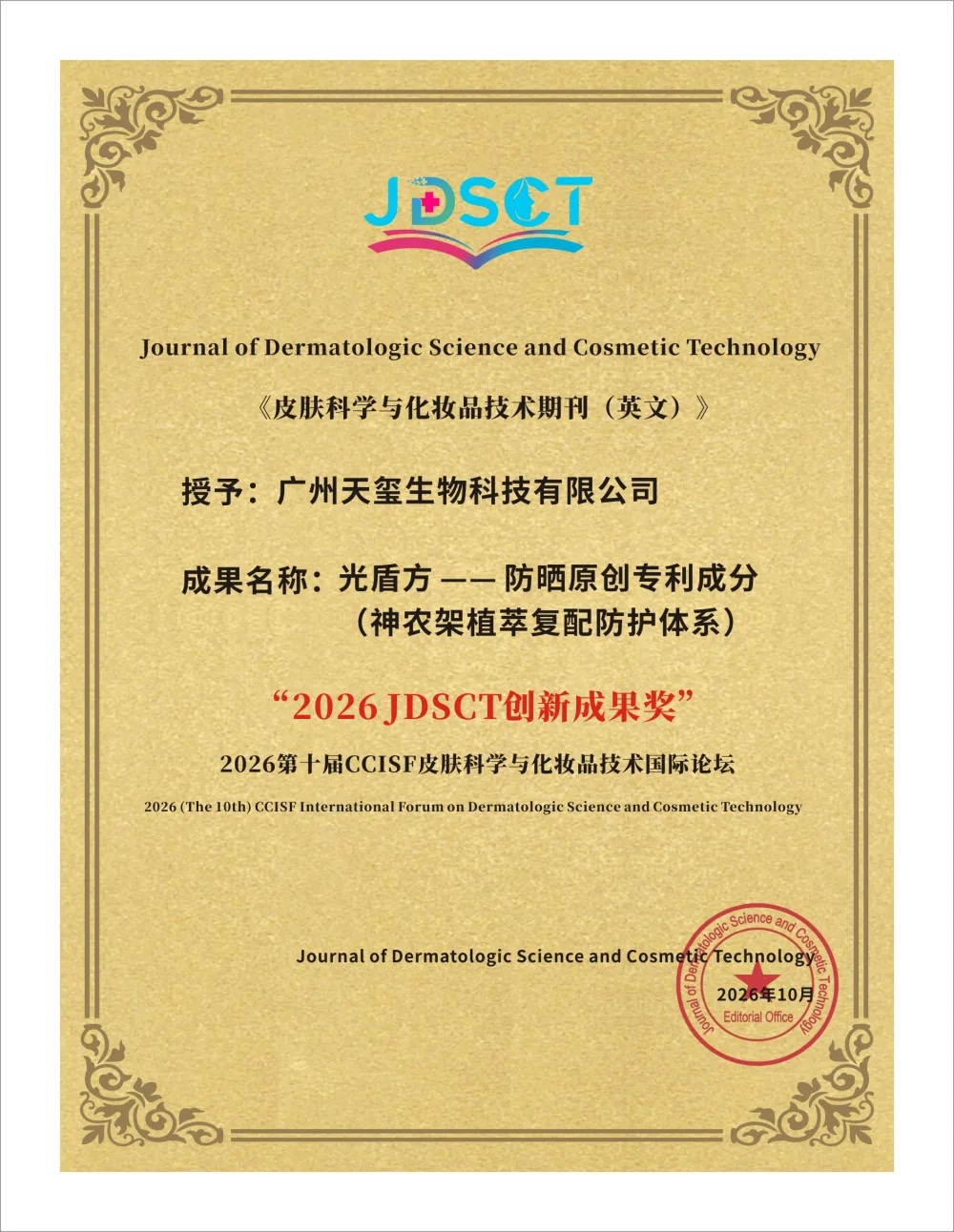
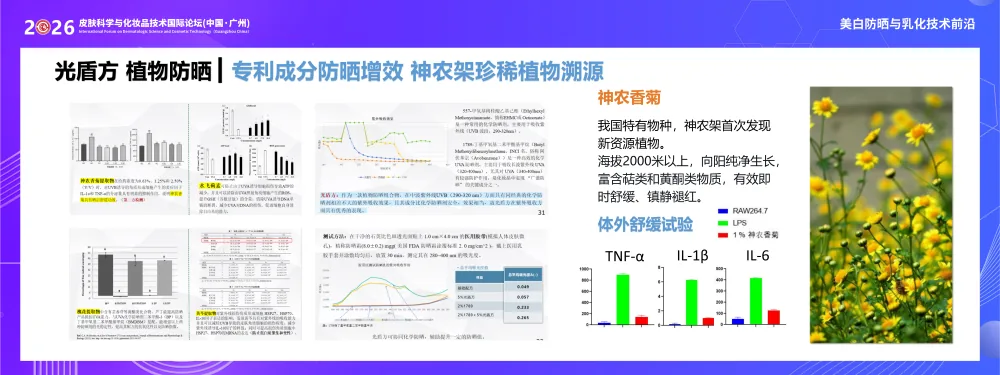
The trip also brought a distinction: the company’s self-developed Light Shield Formula — a patented original sun-care ingredient complex built on a Shennongjia plant extract system (Patent No. ZL202411182166.X) — received the forum’s 2026 JDSCT Innovation Award.
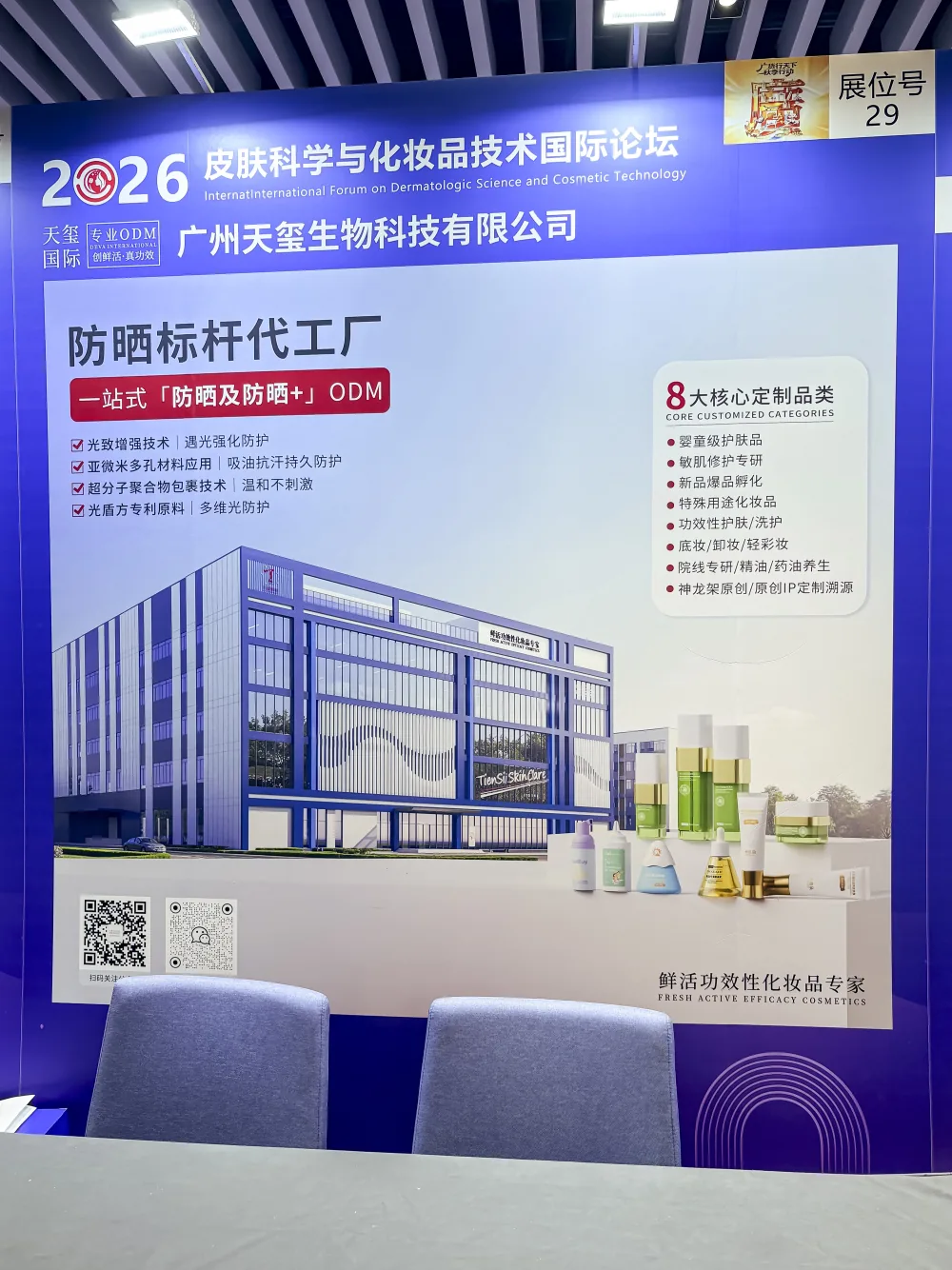
The booth sat at Booth 29, Zone B and centred on one-stop “sun care and sun care plus” ODM services, covering eight core customization categories from baby and child care to sensitive skin, outdoor scenarios and senior skin care. Over the two days, brand owners and R&D peers discussed sun-care sampling, ODM customization and category collaboration on site.
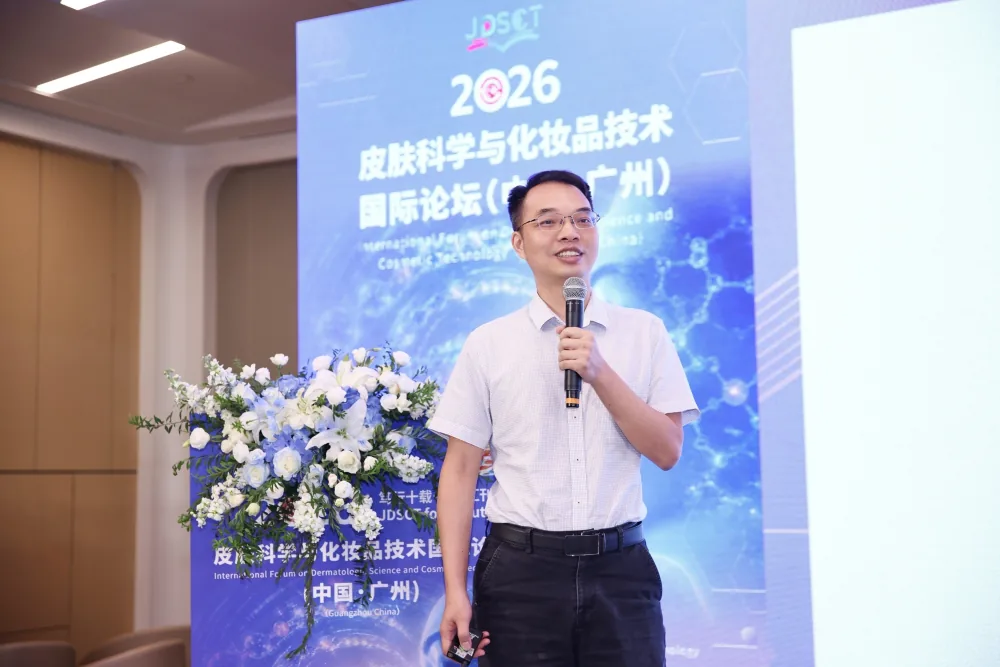
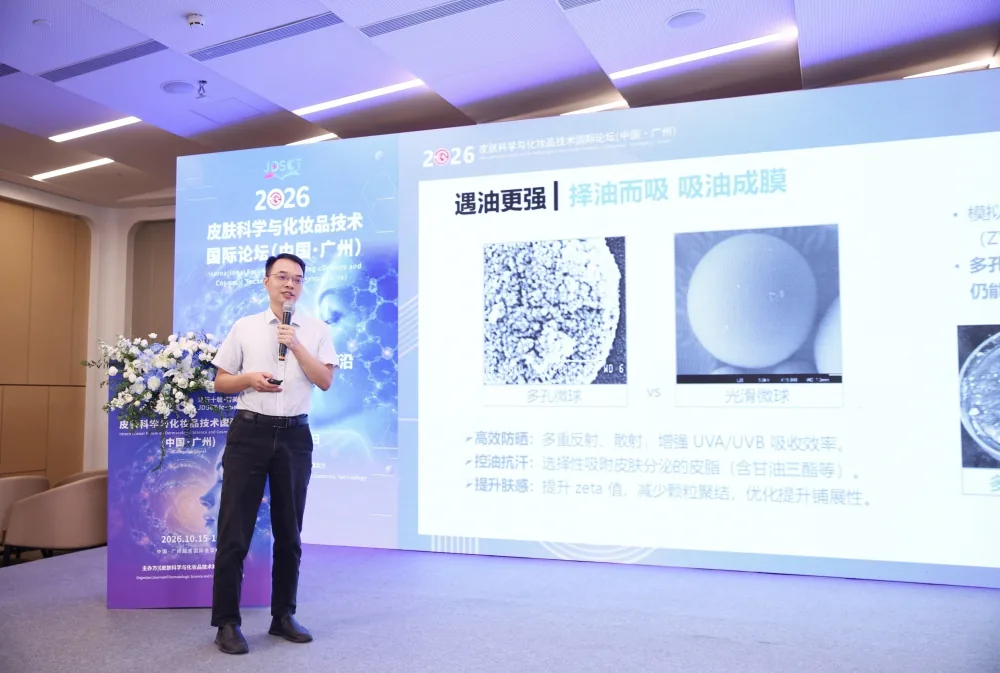
On the morning of October 16, Dr. Pang Keliang, Chief Scientist of DEVA International, took the stage at Sub-forum 4 (Frontiers in Whitening, Sun Protection and Emulsification Technology) with the keynote “DEVA International: Progress in the Application of New Sun-Care Technologies.”
2. The Keynote: Sun Care Is Becoming an Engineering Problem You Can Calculate
The keynote ran along four lines: market trends, new formulation technologies and processes, new ingredients and raw materials, and DEVA’s R&D platforms.
2.1 Policy and Demand Are Raising the Bar Together
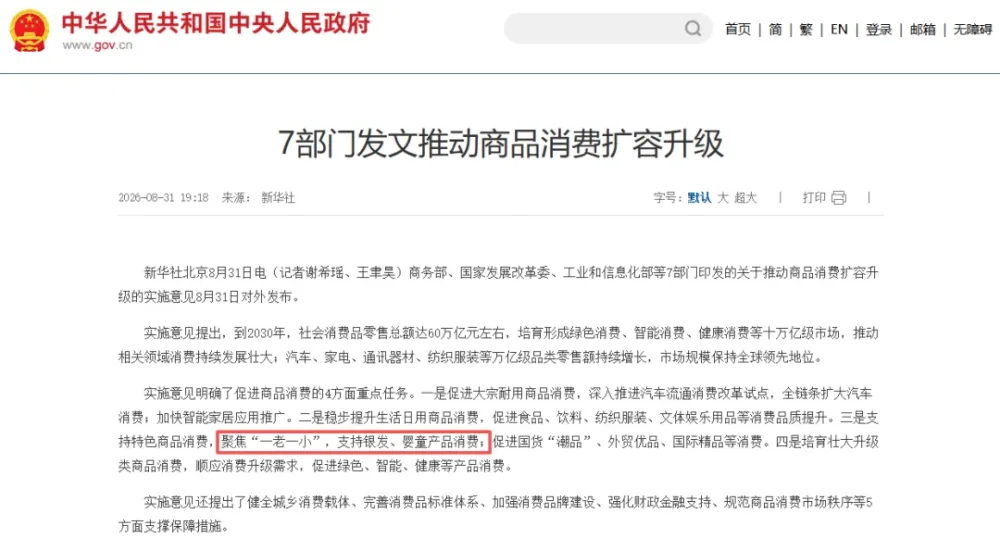
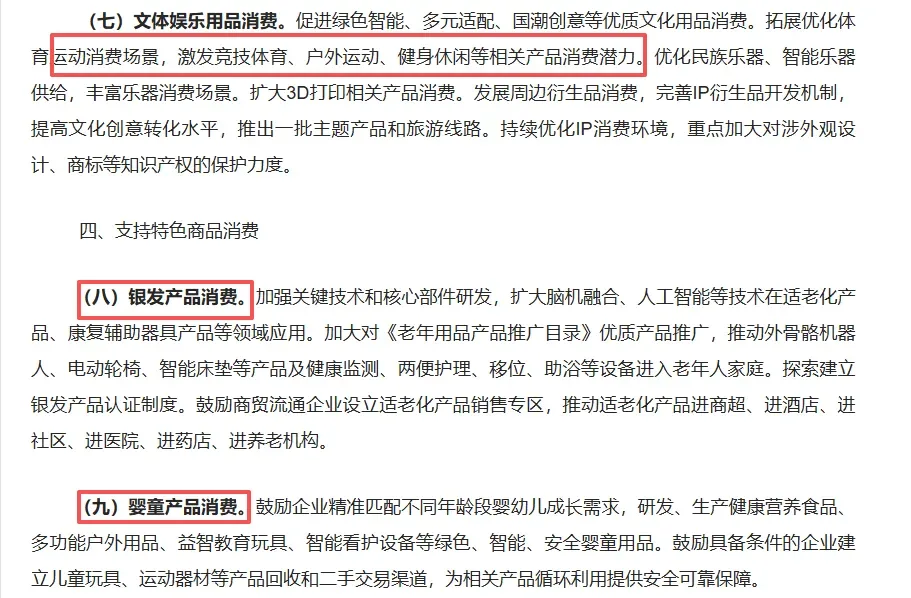
On the policy side, on August 31 the Ministry of Commerce and six other departments issued the Implementation Opinions on Promoting the Expansion and Upgrading of Commodity Consumption. “The elderly and children” and “outdoor sports consumption scenarios” emerged as two explicit keywords, setting a direction for domestic cosmetics.
On the science side, literature as early as 1998 pointed to the importance of sun protection in adolescence: ultraviolet exposure during childhood accounts for roughly one third of a lifetime cumulative dose, and exposure during the teenage years is closely associated with the incidence of skin tumours in adulthood. Sun protection is therefore a long-term health investment rather than a summer habit.
On the market side, three vertical tracks — an ageing population, cultural tourism and outdoor sports — are sending clear signals (source: Meiyeyanjiuyuan). Demand splits into three tiers:
- ●Baseline|Protection against sunburn, tanning and light-induced damage; high SPF/PA performance plus excellent skin feel — light, non-greasy, no white cast, no pilling, easy to remove
- ●Scenario-specific|Water and sweat resistance, multi-scenario adaptability; for younger users, soothing for sensitive skin and long-lasting oil control
- ●Elevated|Anti-photoaging and barrier repair; after-sun care, high protection after bathing; soothing, green ingredients, no irritants, no breakouts, no redness
On the technical side, this tests a complete capability set: broad-spectrum protection, film-forming technology, skin-feel evaluation and UV-lamp imaging tests. To answer consumers who want everything at once, DEVA applies a four-step loop: collect diverse consumer demands, translate them into measurable technical indicators, build the matching technology and test systems, and establish end-to-end quality assurance. Turning sensory demands into engineering language is what actually moves a formula forward.
2.2 Making Sunscreen Stronger Under Light — and Under Oil
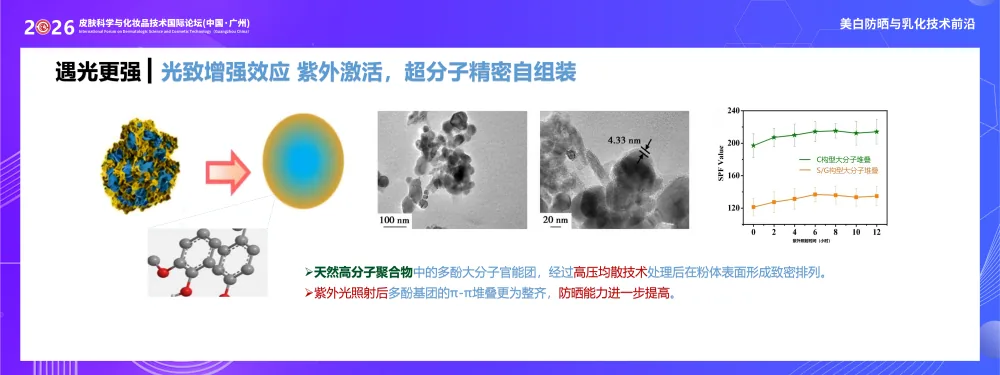
Light-induced enhancement. Polyphenolic functional groups in natural polymer actives, processed by high-pressure homogenization, form a dense arrangement on the surface of the powder. Under UV irradiation, the π-π stacking of these polyphenolic groups becomes more ordered, and protection performance increases with light exposure — instead of fading in the sun, it strengthens.
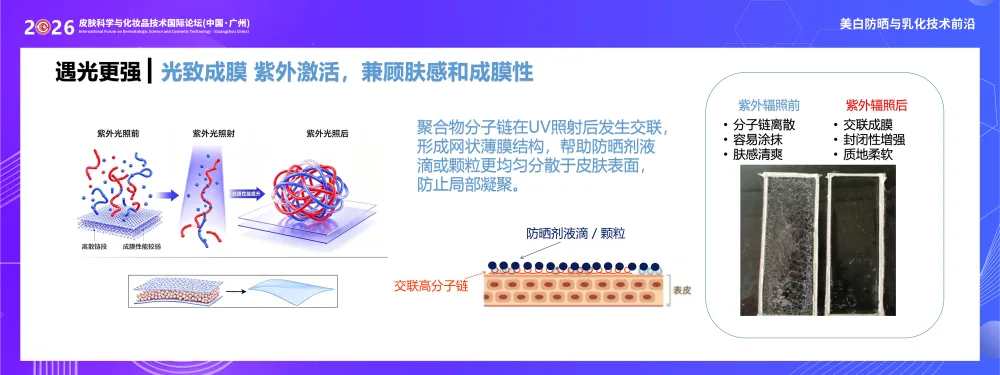
Light-induced film formation. Before UV exposure, polymer chains are discrete, so the product spreads easily and feels light. After UV exposure, the chains cross-link into a network film: barrier performance rises, the texture stays soft, and sunscreen droplets or particles disperse more evenly across the skin surface without local aggregation. Easy application and strong protection no longer have to be a trade-off.
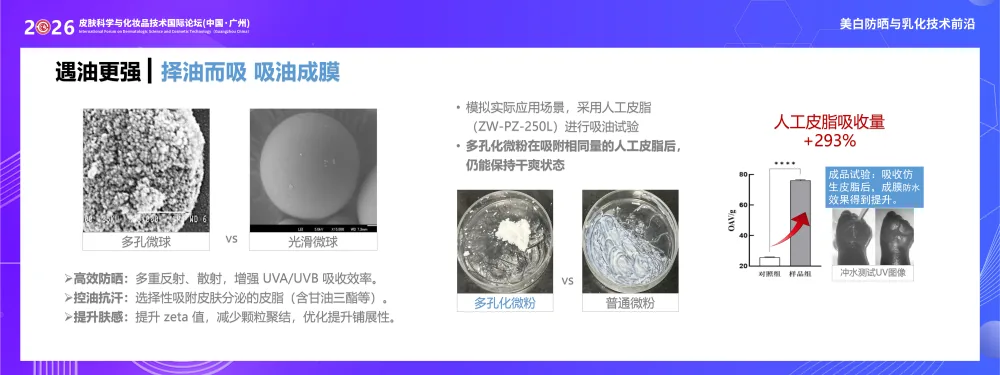
Selective oil absorption, oil-absorbing film. Using artificial sebum (ZW-PZ-250L) to simulate real application, absorption tests show that porous microparticles stay dry even after absorbing the same amount of sebum, with sebum absorption up 293%. The design solves three problems at once:
- ●Efficient protection|Multiple reflection and scattering improve UVA/UVB absorption efficiency
- ●Oil control and sweat resistance|Selective absorption of skin sebum, including triglycerides
- ●Better skin feel|Higher zeta potential, less particle agglomeration, improved spreadability
Source: DEVA International, keynote “Progress in the Application of New Sun-Care Technologies” and supporting test data (October 16, 2026, Sub-forum 4, 10th CCISF). Test conditions and sample sizes are detailed in the original reports.
2.3 From Target Screening to Dosage-Form Re-Engineering
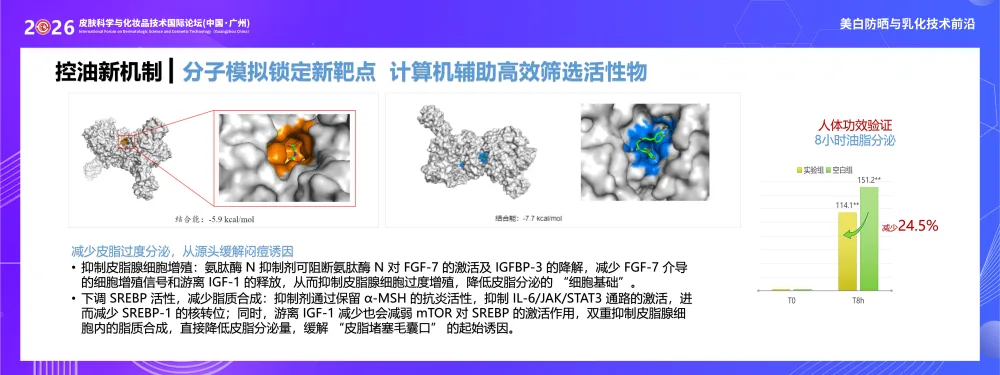
Computer-aided identification of a new oil-control target. Through molecular simulation and docking, DEVA screened an effective aminopeptidase N (APN) inhibitor. It works along two paths. First, it suppresses sebocyte proliferation by blocking APN activation of FGF-7 and the degradation of IGFBP-3, reducing the cellular basis of sebum production. Second, it downregulates SREBP activity by inhibiting IL-6/JAK/STAT3 pathway activation and reducing SREBP-1 nuclear translocation, suppressing lipid synthesis on a second front. Human efficacy testing showed a 24.5% reduction in sebum output at 8 hours. Addressing the cause of congestion is one concrete answer to the “won’t clog pores” demand in sun care.
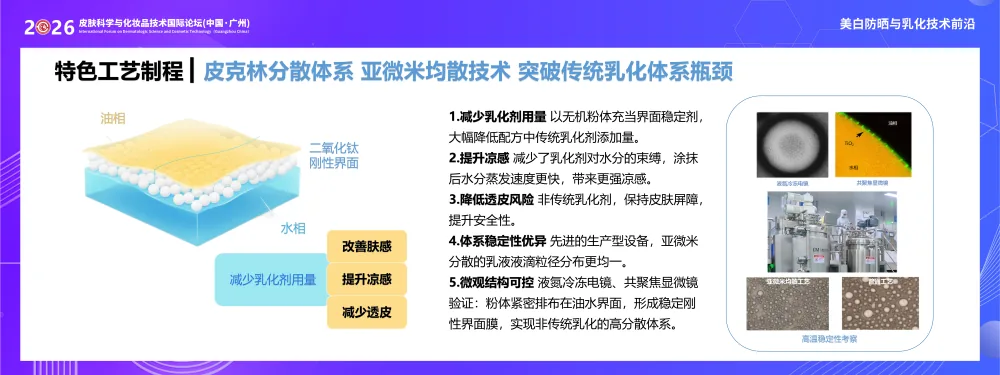
Pickering dispersion system and submicron uniform dispersion. Inorganic particles act as interface stabilizers, breaking through the limits of conventional emulsification, with five benefits:
- ●Lower emulsifier load|Inorganic particles replace part of the conventional emulsifier system
- ●Stronger cooling sensation|Less water binding by emulsifiers means faster evaporation and a cooler feel
- ●Lower penetration risk|A non-conventional emulsifier approach that preserves the skin barrier
- ●Excellent stability|Submicron dispersion gives a more uniform droplet size distribution
- ●Controllable microstructure|Cryo-SEM and confocal microscopy confirm particles packed at the oil–water interface forming a rigid interfacial film
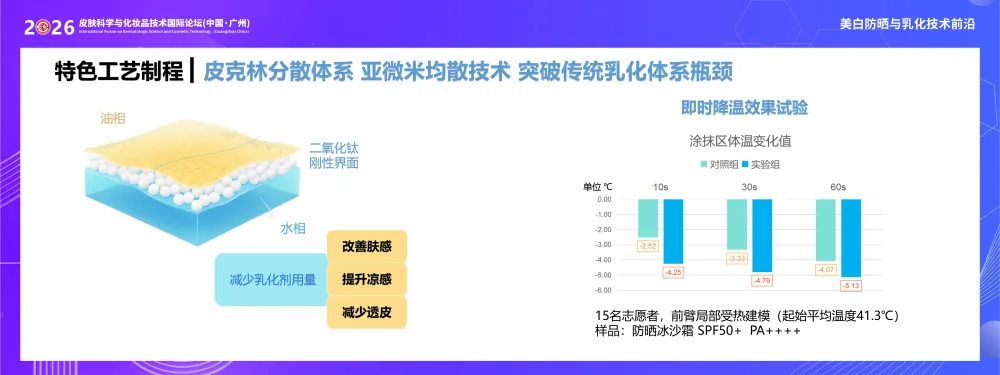
In an instant-cooling test, 15 volunteers had their forearms locally heated (baseline mean temperature 41.3°C). The Sun Care Sorbet Cream SPF50+ PA++++ showed a clear cooling effect at 10, 30 and 60 seconds.
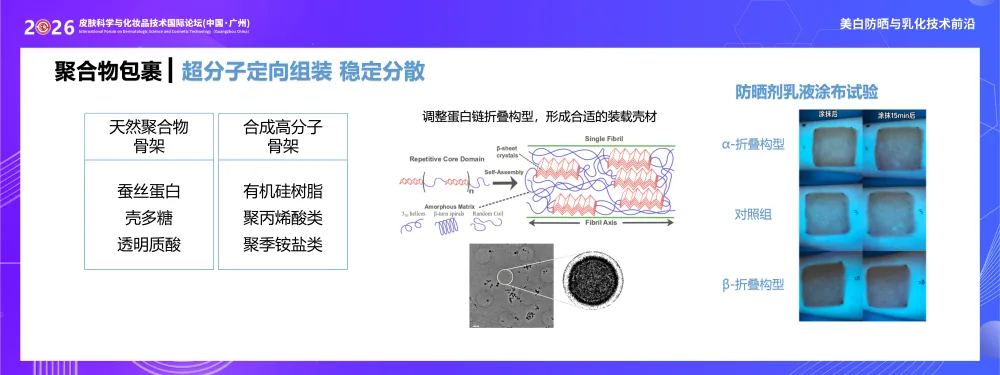
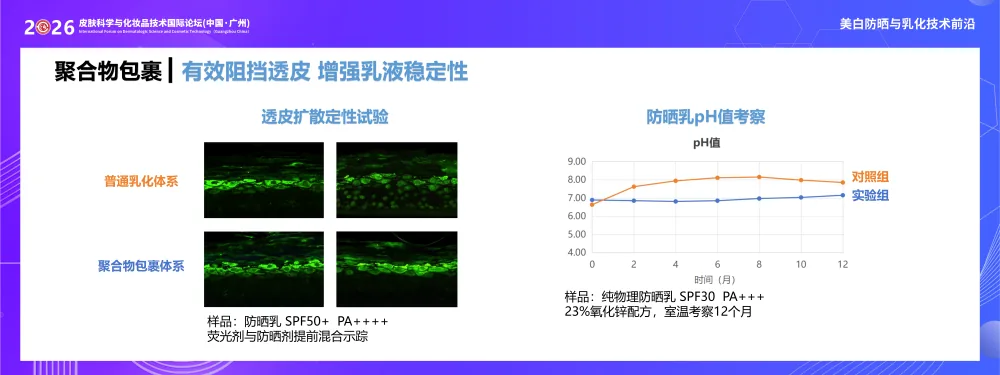
Supramolecular assembly and polymer encapsulation. Built on natural polymer backbones (silk protein, chitosan, hyaluronic acid) and synthetic backbones (silicone resins, polyacrylates, polyquaterniums), the system tunes protein-chain folding to form a suitable loading shell. It delivers two key outcomes: effective prevention of skin penetration (confirmed by qualitative diffusion testing) and improved emulsion stability (a purely physical sunscreen SPF30 PA+++ with 23% zinc oxide, stored at room temperature for 12 months).
The Light Shield Formula. A patented ingredient complex (Patent No. ZL202411182166.X) that boosts sun protection, traced back to a rare plant in the Shennongjia mountains: Shennong aromatic chrysanthemum, a species endemic to China and first discovered in Shennongjia, growing above 2,000 metres in sun-facing habitats and rich in terpenoids and flavonoids associated with immediate soothing and redness relief. In vitro soothing tests evaluated its performance on TNF-α, IL-1β and IL-6. DEVA has filed the ingredient as a new cosmetic raw material (Filing No. 国妆原备字20250040).
3. Beyond the Keynote: An Acknowledgement From the Industry
During the forum, the Light Shield Formula — a patented original sun-care ingredient complex based on a Shennongjia plant extract system (Patent No. ZL202411182166.X) was named a recipient of the 2026 JDSCT Innovation Award. It is the same sourcing story told at the end of the keynote: a high-altitude plant, quantifiable soothing and protection data, and recognition at industry level.
What gives the award weight is that it does not recognize a concept but a complete result of ingredient, system and data. For DEVA, it is a confirmation of the route of in-house raw material development.
4. The R&D Backbone: Two Institutes, Two Stations, Three Centers
Every technical statement rests on long-term investment. Behind these results is DEVA International’s “Two Institutes, Two Stations, Three Centers” R&D system:
- ●Two institutes|Natural Cosmetics Research Institute; Shennongjia Natural Beauty Raw Material Research Institute
- ●Two stations|Cosmetics Postdoctoral Research Station; Guangdong Science and Technology Commissioner Station
- ●Three centers|Beauty Application R&D Center; Process Technology Research Center; Cosmetics Evaluation Center
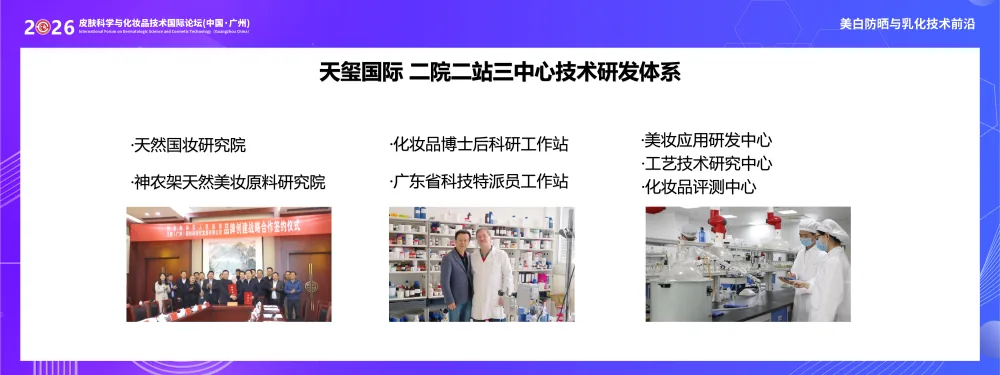
From raw material sourcing at the Shennongjia institute to formula application at the application center, from process scale-up at the process center to efficacy and safety verification at the evaluation center, and on to forward-looking research at the postdoctoral station — this chain is what turns laboratory technology into products on shelf.
In product terms, the portfolio mirrors the market read in the keynote:
- ●Teen and baby sun care|Grounded in evidence on cumulative childhood UV exposure, focused on mildness, low irritation and easy removal
- ●Sensitive skin repair|Supramolecular encapsulation to limit penetration plus soothing plant actives from the Light Shield Formula
- ●Outdoor and travel scenarios|High water and sweat resistance, oil-absorbing film, protection retained after bathing
- ●Senior skin care|Answering anti-photoaging and barrier repair needs under the “elderly and children” policy direction
Technology into products, products into markets — DEVA has walked this chain for twenty years.
5. Closing: Turning “Both at Once” Into Long-Term Work
Twenty years, still moving: DEVA International headquarters (2015) → Southern Beauty Valley, DEVA Plant II (2024) → new Huangpu headquarters (2028). Expanding capacity and R&D space all point to the same goal: building best-sellers with high repurchase rates.
Looked at closely, the keynote was not only about sun care. When policy points to “the elderly and children” and outdoor scenarios, and consumers demand high protection, light texture, gentle ingredients and environmental responsibility at the same time, competition shifts from “can it be made” to “can it be calculated, verified and reproduced consistently.” DEVA chose to build the answer into its system in advance: in-house test methods, in-house evaluation standards, and a full-chain R&D platform from raw material to finished product.
That foresight comes from a simple judgement: the next stage of the cosmetics industry belongs to those willing to pay for R&D. The 2026 JDSCT Innovation Award is one payment on that judgement. DEVA International will keep investing in R&D and technical innovation, grounded in dermatologic science, across sun-care system upgrades, functional ingredient application, formulation engineering and green sustainability.
We believe the future of beauty will not rest on marketing and traffic alone. When more companies put resources into basic research, raw material sourcing and verifiable efficacy evidence, Chinese cosmetics can move from manufacturing to creation — and make beauty both respectable and scientific.
Twenty years is only a prologue. Thank you for walking with us; DEVA International looks forward to the road ahead.
FAQ
- Q1 What is the 2026 JDSCT Innovation Award?
- It is issued by the Journal of Dermatologic Science and Cosmetic Technology (JDSCT) during the 10th CCISF 2026, recognizing organizations and projects with innovative results in dermatologic science and cosmetic technology. The Light Shield Formula submitted by DEVA International is one of this year’s awarded results.
- Q2 What exactly is the Light Shield Formula?
- A patented original sun-care ingredient complex developed in-house by DEVA International (Patent No. ZL202411182166.X). It builds a combined protection system from Shennongjia plants such as the Shennong aromatic chrysanthemum, used for protection enhancement and soothing. The ingredient has completed new cosmetic raw material filing (No. 国妆原备字20250040).
- Q3 What sun-care capabilities does DEVA International offer to brands?
- Light-induced enhancement and film formation, selective oil absorption with oil-absorbing film, Pickering dispersion and submicron uniform dispersion, supramolecular polymer encapsulation, and the Light Shield Formula — supported by broad-spectrum testing, skin-feel evaluation, UV-lamp imaging and stability studies.
- Q4 How do brands start a sun-care project?
- Begin with the category plan: define target market, user scenario and price band, then settle SPF/PA, dosage form and the registration path for special cosmetics. See broad-spectrum sun care OEM/ODM or contact the team via www.txodm.com.
Related capabilities
Broad-spectrum sun care (lotions, creams, sprays): www.txodm.com/products.html?cat=2
Baby care and sensitive skin repair: www.txodm.com/products.html?cat=3
More industry notes: DEVA International news