
The Ingredient-Savvy Consumer: Winning with Formulation Science
Published 2026-10-29 17:52:41 · Tiensi
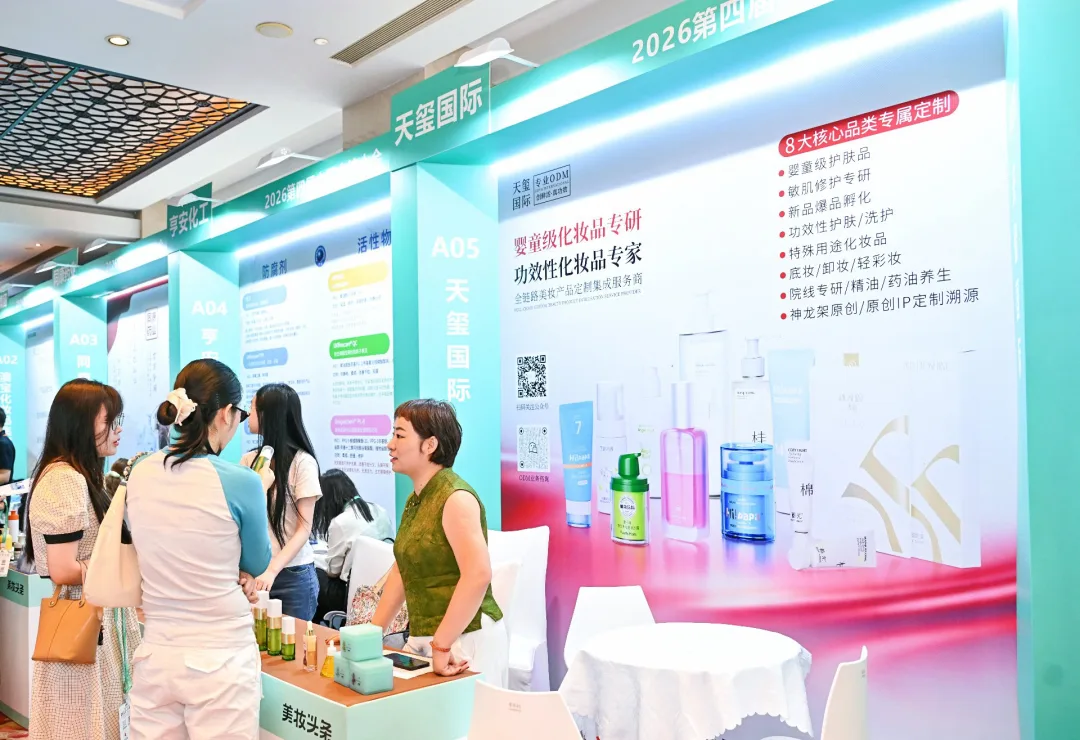
Q1: With no budget for human efficacy trials, how can a small brand win over ingredient-savvy consumers?
A: Large-sample human trials are not strictly required. Stating the concentration of key actives, their raw material sourcing and third-party safety assessment clearly is itself a form of transparency. Building up evaluations and user evidence over time is steadier than manufacturing a one-off big splash.
Browse Xiaohongshu or watch livestreams for the past few years and one change stands out: consumers no longer ask only whether a brand is famous. They look at the ingredient list and ask what the niacinamide concentration is, whether there is a clinical report, whether the raw material source is safe. These people are called ingredient-conscious consumers. They are rational, willing to do the homework, and harder to impress with elaborate marketing. For brands and manufacturers, this is both a challenge and a good opportunity to rebuild trust — whoever explains the formula clearly first wins the next wave of consumers.
Who Are Ingredient-Conscious Consumers? A Portrait of Rational Buying
Ten years ago, skincare purchases turned mainly on advertising and in-store advice. Today, more and more young people treat reading the ingredient list as a fixed step before ordering. Ingredient-conscious consumers are not chemistry-trained geeks; they are ordinary consumers willing to pay for what works and for evidence.
Their traits are clear. First, they are rational and not taken in by the idea that expensive means good. Second, they read ingredient lists and actively look up the efficacy and risks of a given raw material. Third, they value evidence and are naturally sceptical of claims like it is said to work or it feels effective, trusting concentration, mechanism and human test data more. In DEVA INTERNATIONAL's International Marketing Development Centre, established in 2016, which has long used big data from Mintel, Meili Xiuxing, Meiyeyan Jiuyuan and Shengyi Canmou for insight, the share and influence of this group has risen year by year and it is now a core customer segment emerging brands cannot ignore.
Three Consumption Signals
- They compare prices for the same ingredient across brands, pursuing ingredient value rather than simply chasing big labels.
- They pay attention to the logic of the whole formula, not just one overhyped hero ingredient.
- They have very little tolerance for concept-based addition and pseudo-scientific wording; one failure can mean permanent rejection.
From Reading Ingredients to Reading Evidence: What They Actually Care About
The next step in the evolution of ingredient-conscious consumers is evidence. For niacinamide added at 5% and at 2%, the experience differs; for antioxidants, the mechanistic pathways for clearing free radicals also vary. What consumers want is no longer whether an ingredient is present, but why it works, how much is needed and for whom.
Three Layers of Evidence
Pitfall reminder: putting contains XX ingredient in the most prominent position on the pack while saying nothing about concentration and validation is the false transparency ingredient-conscious consumers dislike most. Transparency is not a pile of terms — it is making the key information clear: what concentration, why it works, who verified it.
Transparency Is the Baseline: Concentration, Mechanism and Human Data
Facing ingredient-conscious consumers, the most practical thing a brand can do is be transparent. Transparency here has at least three layers: state the addition concentration of core ingredients; explain the mechanism of action in plain language; and share clinical or human test conclusions within compliance requirements.
Transparency does not mean dumping every technical detail on consumers. What ingredient-conscious consumers want is verifiable clarity, not incomprehensible expertise. Good transparency translates rather than piles up — explaining pH, stability and pairing precautions, the information that genuinely affects experience, in the consumer's own language. This is why more brands now put ingredient maps and usage scenario notes on product pages instead of printing a single line of ingredients.
For manufacturers, transparency means translating formulation capability into language consumers can understand. DEVA INTERNATIONAL's self-developed patented raw material, Shennong chrysanthemum (CHRYSANTHEMUM LAVANDULIFOLIUM) extract, filed under 国妆原备字 20250040, passed new ingredient filing with the National Medical Products Administration on 24 April 2025 (with a three-year monitoring period), is produced at Xiangxiyuan in Shennongjia above 2,000 metres elevation, and is positioned as an Eastern answer for emotional skincare. Raw material stories with filing, origin and positioning are inherently more persuasive than vague botanical repair claims.
Note: new ingredient filings and special registration credentials (such as sun protection and brightening) are ready-made trust credentials. Displaying them properly on the product page turns regulatory endorsement into brand equity.
How Brands and Manufacturers Respond: Communicating Formulation Science
As consumers begin to understand ingredients, the division of labour between brand and manufacturer is changing too. The brand turns science into a good story; the manufacturer must supply a scientific base that can be told. This is the question new brands ask most often about cosmetics ODM manufacturing partnerships.
Q2: Is a higher ingredient concentration always better?
A: Not necessarily. Many actives have an optimal range, and going too high causes irritation instead. The sound approach is to use a concentration that is both effective and tolerable, and to state which groups it suits. That is exactly where formulation engineering adds value.
In DEVA INTERNATIONAL's practice, this capability comes from systematic research investment: the "two institutes, two stations, three centres" — the Shennongjia Natural Beauty Raw Materials Research Institute and the Cosmetics Research Institute, the postdoctoral research workstation in cosmetics and the Guangdong science and technology commissioner station, plus the beauty application R&D centre, process technology research centre and cosmetics evaluation centre. Combined with ultra-submicron homogenisation, microencapsulation and targeted transdermal delivery, what the manufacturer outputs is no longer just a formula but an evidence chain that can be verified and communicated.
Advice for brands: when selecting a manufacturer, do not compare only price and MOQ — look at whether they can support ingredient traceability, efficacy validation and compliant filing, including brightening special registration and sun protection special registration manufacturing credentials. Those are the real moat in the era of ingredient-conscious consumers.
Building Trust with Data: Literature, Testing and Long-Termism
Trust is not bought with one marketing campaign; it accumulates through repeatedly delivering what you said. For ingredient-conscious consumers, one mechanistic paper from an authoritative journal is worth more than ten advertising lines, and a third-party test is more credible than a brand marking its own homework. In on-site content such as our Baby-and-Child Skincare Guide we repeatedly make the same point: safety and evidence are prerequisites for functional skincare.
At the level of execution, brands should treat scientific communication as a long-running column rather than a single viral post. Update ingredient explainers on a schedule, publish raw material suppliers and batches, invite testing institutions to re-test and disclose results. When consumers find your data holds up every time, repeat purchase and word of mouth follow naturally. For manufacturers, preparing formulation documents, validation reports and compliance certificates as ready content packages in advance substantially lowers the brand's communication cost and smooths the partnership.
The actions available to a brand are concrete: attach literature references for key ingredients on the product page; cite ingredient safety scores from platforms such as Meili Xiuxing; replace feels smoother with human data from the evaluation centre. Sustained over time, a brand shifts from selling products to selling trustworthy solutions. That is the practical landing of DEVA INTERNATIONAL's philosophy of fresh creation, real efficacy — make efficacy solid, and there is a story to tell.
FAQ: Ingredient-Conscious Consumers and Scientific Formulation
Q1: With no budget for clinical work, how can a small brand win ingredient-conscious consumers?
A: Large-sample clinical work is not required. Clearly stating the concentration of core ingredients, raw material sources and third-party safety assessments is itself a form of transparency. Accumulating tests and user evidence gradually is steadier than a one-off big announcement.
Q2: Does a higher ingredient concentration always work better?
A: No. Many actives have an optimal range, and going higher can be irritating. The scientific approach is to deliver a concentration that is both effective and tolerable, and to state which users it suits — which is exactly the value of formulation engineering.
Q3: How can a manufacturer help a new brand communicate scientifically?
A: Provide traceable raw material filings, formulation mechanism notes and efficacy validation materials so the brand has ammunition for its content. Domestic new ingredient filings and special registration credentials are ready-made trust credentials.
About DEVA INTERNATIONAL
Q3: How can a contract manufacturer help a new brand communicate scientifically?
A: Provide traceable raw material filings, an explanation of how the formula works, and efficacy verification data, so the brand has real substance for its content. New cosmetics ingredient filings and special-certificate qualifications are ready-made credibility credentials.
Founded in 2006, Guangzhou DEVA Biotechnology Co., Ltd. (DEVA INTERNATIONAL / DEVA INTERNATIONAL) is a high-technology ODM/OEM enterprise focused on the R&D and manufacture of fresh-active efficacy cosmetics for nearly 20 years. Its core philosophy is fresh creation, real efficacy, serving more than 300 leading and emerging beauty brands each year. The company runs a "two institutes, two stations, three centres" research system and holds new ingredient filings such as Shennong chrysanthemum (国妆原备字 20250040), with sun protection and brightening special registration manufacturing and overseas compliance (BPOM, HALAL) capability. Learn more at www.txodm.com.